
Spinal and joint pain has long stopped being something that only affects older people. Today, many young people also feel pain in the spine, muscles and joints, with frequent headaches or twinges in the lower back. If these difficulties aren't related to a post-injury or post-operative condition, they may be functional disorders of the musculoskeletal system caused by one-sided strain at work or in sport.
Some people deal with painful musculoskeletal conditions using painkillers; some prescribe themselves exercises with which they hope to overcome their pain. They exercise at home, work out at the gym, or try to run the pain off. They like to discuss their difficulties online, with friends over coffee, or with buddies over a beer. However, it's important to realize that exercises that work for your friend might not help you — they could even make your condition worse.
If musculoskeletal problems persist, don't hesitate. It's best to undergo a comprehensive rehabilitation examination.
At our centre you will be seen by MUDr. Natália Porubcová, a physician specializing in FBLR (physiatry, balneology and medical rehabilitation).
What a rehabilitation examination is and how it works
A rehabilitation examination is a set of medical procedures by which the physician determines the extent of damage to the musculoskeletal system and body functions. Based on the examination, the physician proposes a plan to restore physiological function.
It's not an examination that requires any special preparation. It consists of a conversation between the client and the physician, followed by an examination. The conversation focuses on establishing the client's medical history. The physician wants to know what problem or difficulties bring you to them, how long you've been experiencing the problems, and possibly how the problems arose. They will want to know what your occupation is, whether you play any sport, whether you've had similar problems in the past, and whether you've had any injuries or fractures.
The examination itself follows. During the examination, the client is in their underwear. The physician assesses the client's posture while standing and walking, and checks the range of motion of the joints and spine when bending forward, backward, and to the sides. It's a series of procedures during which the physician can see the true state of your body.
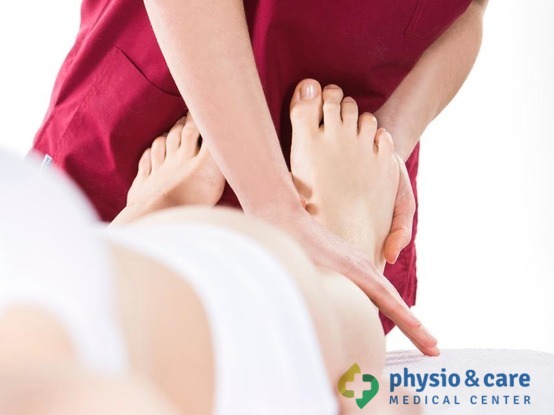
The client's passive mobility is examined lying down. The client lies on the examination table, the physician moves the client's limbs and determines the mobility in the joints, noting any irregularities. Various examination aids may be used, such as a tape measure, a goniometer, etc. The physician pays special attention to problematic areas and joints where you feel discomfort.
You'll learn the results of the examination right after it's completed. In the medical report, the physician establishes the diagnosis and determines the treatment approach. An individual therapeutic plan most often consists of rehabilitation procedures, exercise, and physical treatment (ultrasound, electrotherapy, laser, magnetotherapy and others). If necessary, the physician will refer you for further specialized examinations, most often an X-ray, CT scan, or MRI.
Don't skip the follow-up rehabilitation examination
The date of the follow-up examination is set by the physician already at your first visit, most often after completing all prescribed therapies. However, if you feel that despite following all the recommendations your difficulties are worsening, or the treatment approach simply isn't working for you, don't wait — see the physician again. Follow-up examinations are part of rehabilitation treatment. Based on your current state of health, the physician will assess the suitability of the prescribed therapies and adjust or modify the therapeutic plan.
Don't wait after the examination
Choose a physiotherapist or rehabilitation professional who will help you with your recovery. With the right treatment approach and regular, above all suitable, exercise, you'll resolve your health problem. The duration of rehabilitation varies, depending on the health problem, but mainly on your own participation in the treatment. Don't underestimate home exercise — follow the recommendations of your physician and physiotherapist.
Your active participation, persistence and responsibility for your own health can speed up your treatment, maintain your physical condition, and generally support your health.
Have questions or want to book an appointment?
Contact us by phone or via the contact form and we'll be glad to help.
Contact Us