
Having a body "like rubber" brings its own worries too.
Hypermobility
One of the common causes of musculoskeletal problems and pain is increased joint mobility called hypermobility.
Its main manifestations are reduced stability and increased laxity of the joint ligaments. The person is "like rubber." To a layperson this diagnosis might seem like an advantage, but hypermobility also comes with its own difficulties. You might find it hard to stand or sit for long periods, or have muscle and joint pain — these problems can also be related to hypermobility.
Screening tests for hypermobility
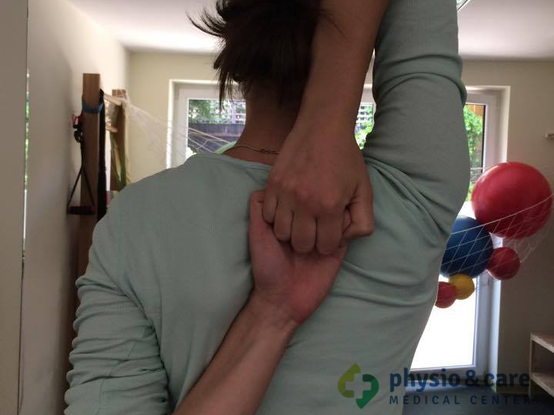
Based on several screening tests, a physiotherapist determines the extent of a patient's hypermobility and sets an exercise plan. Such tests include, for example:
- the forward bend test,
- the scarf test,
- the clasped-hands-behind-the-back test,
- and others.
Many hypermobility conditions can cause joint pain, fatigue, and even joint dislocation. We have a great team of sports physiotherapists at our rehabilitation centre in Bratislava who can help.
One way to manage these symptoms is hypermobility exercises, designed to stretch and strengthen the muscles around the joints. Before starting any of these exercises, you should consult your physician if you have joint pain or other complications related to hypermobility.
At our rehabilitation centre we have a special set of exercises that will give you less joint pain in life. Our physiotherapists will also make sure you don't make incorrect movements with your joints that could lead to further injuries or pain.
We're happy to help
Our specialists use simple tests to determine the extent of hypermobility. The patient is then given an exercise plan. Yes, even with hypermobility, regular movement and muscle strengthening helps. Our physiotherapists will happily teach you the right exercises :-)
Have questions or want to book an appointment?
Contact us by phone or via the contact form and we'll be glad to help.
Contact Us